There is a moment that happens with older pets. Your dog pauses at the stairs. Your cat hesitates before jumping onto the couch. They sleep more. They ask for help in smaller ways. The eyes are still familiar. The personality is still there. The little rituals are still sacred. But something has changed. And if you have loved an animal for many years, you know that feeling in your chest.
That tiny ache.
That question you do not want to ask too loudly:
“Are we entering a new chapter?”
The answer may be yes. But a new chapter does not mean the story is over. It means they need us differently now.
Older Pets Are Not “Just Old”
One of the biggest mistakes we make with senior pets is assuming every change is simply age.
We notice small things:
- Slower on the stairs
- Sleeping more
- Losing weight
- Bad breath
- Less interest in play
- Drinking more
- Missing the litter box
- Having accidents in the house
- Hesitating before jumping
- Seeming more withdrawn
And too often, those changes get filed under one phrase:
“They’re just old.” But old is not a diagnosis.
Older pets can develop arthritis, kidney disease, thyroid disease, dental pain, heart disease, diabetes, high blood pressure, cognitive changes, nausea, weakness, muscle loss, and chronic pain. Some of these conditions can be treated. Some can be managed. Some can be made more comfortable. And sometimes, the most important thing we can do is understand what is happening clearly, so we can make kinder decisions. Senior pet care is not about chasing youth. It is about protecting comfort, dignity, appetite, mobility, connection, and joy. It is about helping them feel like themselves for as long as we can.
This Is When They Look Up to Us
When our pets are young, they need us for everything: food, training, safety, routines, boundaries, and the occasional rescue from eating something deeply unwise. Then, for many years, they seemed almost invincible. They run. They leap. They greet us at the door. They sleep beside us. They become woven into the household so completely that we stop imagining the house without them. And then one day, they need us again in a deeper way. Not as puppies or kittens. As elders. This is when they look up to us and ask for help without words.
They may ask by:
- Pausing at the stairs
- Leaving food in the bowl
- Hiding more often
- Panting at night
- Missing the litter box
- Struggling to rise
- Sleeping away from the family
Looking at us with that familiar, quiet expression. The one that says: “I am still here. Please notice what has changed”. That is not a burden. That is the honour of loving them.
We Honour the Bond With Older Pets
At 100x Mobile Vet, senior pet care is personal. We honour the bond people have with older pets because we know these animals are not “just pets.” They are history. They are family. They are the quiet witness to whole eras of your life. They were there through moves, breakups, babies, losses, recoveries, career changes, hard seasons, better seasons, and ordinary Tuesday mornings when nothing special happened except they were beside you. And ordinary Tuesday mornings are not small things. They are the whole thing.
That is why older pets deserve care that looks at the whole picture:
- How they move
- How they eat
- How they sleep
- How they interact with you
- How they use stairs
- How they manage litter boxes or outdoor walks
- How they respond to touch
- How they cope with medication
- How they behave in their own home
A senior pet exam is not just a physical exam. It is a conversation about the life you share.
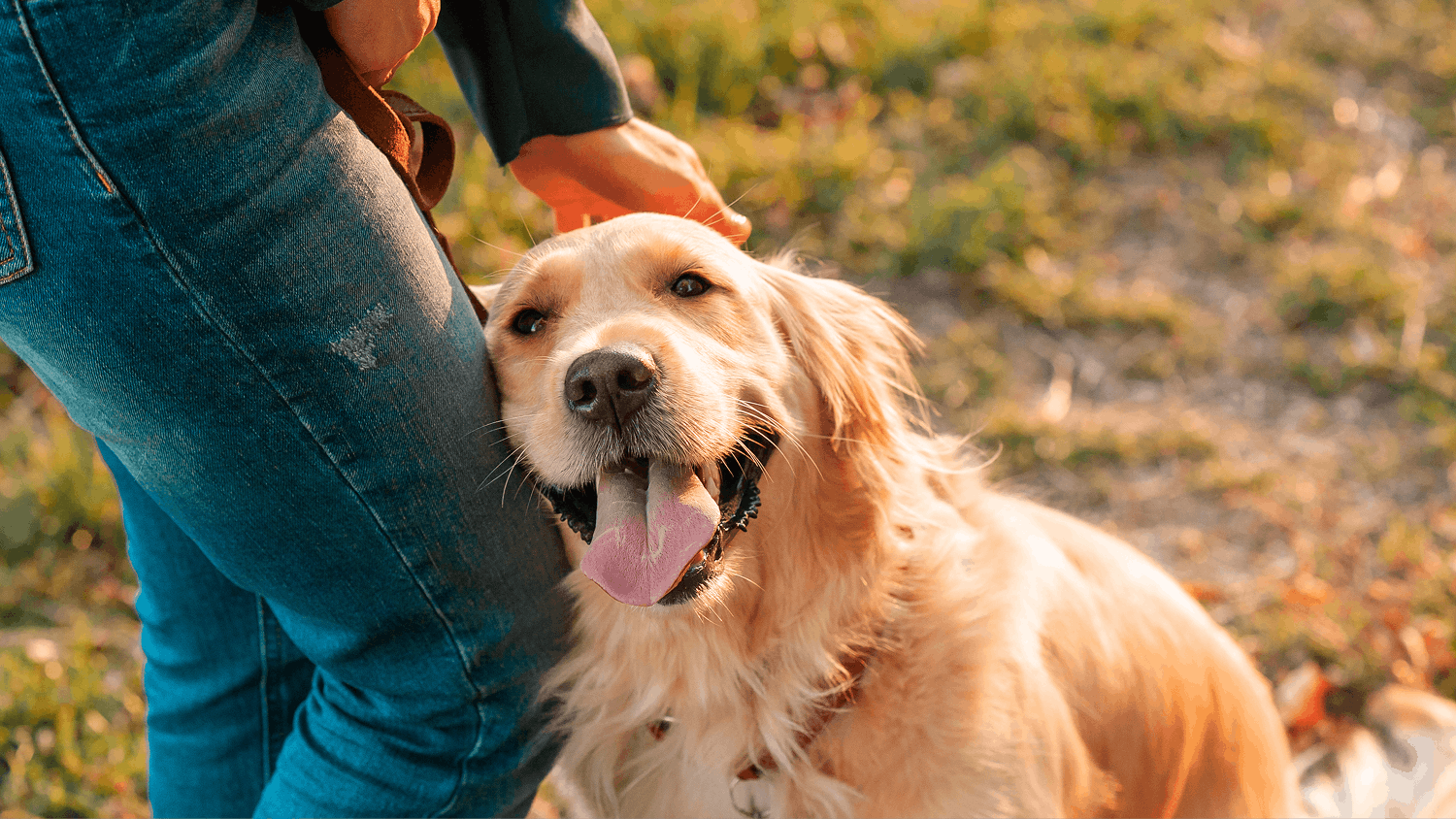
Ohana: No One Gets Left Behind
There is a word I come back to often: Ohana. Family. And the deeper meaning many of us remember:
No one gets left behind. That is how I think about senior pets. Not in a dramatic, never-let-go-at-any-cost way. That is not kindness either.
I mean this:
- We do not dismiss them because they are old.
- We do not ignore pain because they are “slowing down.”
- We do not skip care because the appointment is hard.
- We do not assume nothing can be done.
- We do not let them drift quietly into discomfort if there are ways to help.
“No one gets left behind” means we keep looking. We keep listening. We keep adjusting. We keep asking: “What does your pet need now?”
Sometimes that means bloodwork. Sometimes it means arthritis treatment. Sometimes it means treating nausea. Sometimes it means helping appetite. Sometimes it means a home-care plan. Sometimes it means an honest quality-of-life conversation. And sometimes it means saying goodbye with love, not panic. “No one gets left behind” does not mean we can stop time. It means we show up for them all the way through.
I Almost Called Us Ohana Vet
That idea of Ohana, of not leaving older pets behind when they need us most, is part of why this work matters so much to me. I Almost Called Us Ohana Vet. That idea of Ohana, of not leaving older pets behind when they need us most, is part of why this work matters so much to me. Honestly, I would have named the practice Ohana Vet for that very reason.
Because that is the feeling behind senior pet care:
- Family
- Loyalty
- Showing up
- Slowing down
- Helping them through the chapter they are in now
The name is 100x Mobile Vet, but the spirit is the same. See this video to understand why: Why We Are Called 100x Mobile Vet
Why Home Matters for Senior Pets
For older pets, the environment matters. A trip to the clinic can be completely reasonable for many animals. Clinics are essential. Hospitals are essential. There are times when X-rays, surgery, emergency care, hospitalization, oxygen, or advanced diagnostics are exactly what a pet needs. But for many senior pets, home gives us a different kind of information.
At home, we can see the real life of the pet:
- The stairs
- The floors
- The bed they struggle to climb into
- The food bowls
- The litter box setup
- The slippery hallway
- The couch they no longer jump onto
- The route they take to the backyard
- The way they rise from rest
- The way they look at their person
That context matters.
A senior pet may behave differently in a clinic than they do at home. A cat may freeze. A dog may pace. A painful pet may hide their discomfort under adrenaline. At home, we often get a clearer picture of the daily struggle.
And with senior pets, the daily struggle is often where the medicine lives
What Senior Pet Care Can Include
Senior pet care is not one thing. It is a thoughtful look at the whole animal.
Depending on your pet’s needs, a senior home visit may include:
- A physical exam
- Pain and mobility assessment
- Arthritis discussion
- Bloodwork
- Urine testing
- Blood pressure measurement
- Weight and muscle condition assessment
- Medication review
- Nutrition discussion
- Chronic disease monitoring
- Quality-of-life assessment
- End-of-life planning when needed
- A practical home-care plan
The goal is not to overwhelm you with a giant list. The goal is to identify what matters most now. What is causing discomfort? What is treatable? What is manageable? What is realistic? What will help your pet feel better? What will help you care for them without feeling like you have been handed a medical Rubik’s Cube with fur?
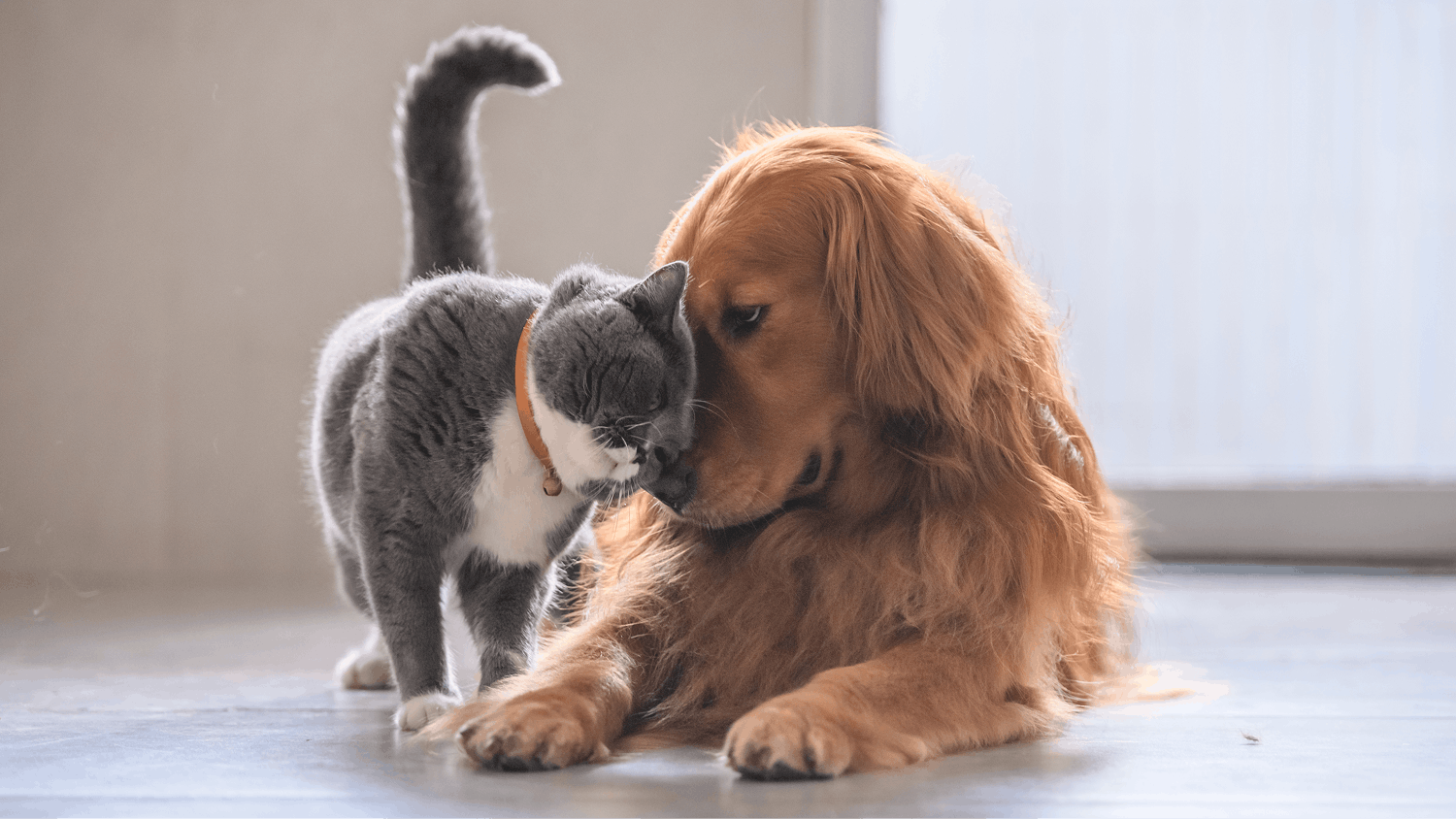
The Senior Pet Promise
Here is what I believe. Older pets deserve to be seen. Not just looked at. Seen.
They deserve someone to notice:
- The weight loss under the fluffy coat
- The pain behind the “slowing down”
- The nausea behind the picky eating
- The weakness behind the hesitation
- The anxiety behind the hiding
- The love behind the owner’s worry
Because when people call us for an older pet, they are often not just asking for a vet
appointment.
They are asking deeper questions:
- “Can you help me understand what is happening?”
- “Can you help me keep them comfortable?”
- “Can you tell me if I am missing something?”
- “Can you help me make the right decision?”
- “Can you help me not fail them?”
That last one is the quietest question. And the heaviest. So let me say this clearly:
Wanting help for your older pet is not failing them. It is loving them well.
When It Is Time to Talk About Quality of Life
Quality-of-life conversations are not only for the final day. They should happen earlier. Gently. Honestly. Before everyone is exhausted and scared.
A good quality-of-life conversation looks at things like:
- Appetite
- Comfort
- Mobility
- Breathing
- Hydration
- Hygiene
- Sleep
- Anxiety
- Joy
- Interaction with family
- Good days versus hard days
This is not about reducing your pet to a score. It is about creating language for what your heart is already tracking.
Because you know your pet. You know the look in their eyes. You know the difference between a tired day and a different kind of tired. You know when the house feels changed. Our job is to help you interpret those changes with medical clarity and compassion.
Book a Senior Pet Home Visit
If your older pet is slowing down; losing weight; eating less; struggling with stairs; hiding more; drinking more; having accidents; seeming painful; or simply not acting like themselves, it may be time for a senior pet assessment.
At 100x Mobile Vet, we bring veterinary care to your home so we can slow things down, understand the full picture, and build a care plan around the pet in front of us. We honour the bond with older pets. Because they have spent their lives looking after us in their own quiet way. Now it is our turn to look after them. Ohana. No one gets left behind.
Book a home visit with 100x Mobile Vet and let us help your senior pet feel seen, supported, and cared for at home.